Acidity vs GERD: Symptoms, Causes, Treatment & Key Differences
Acidity and acid reflux are common digestive complaints.
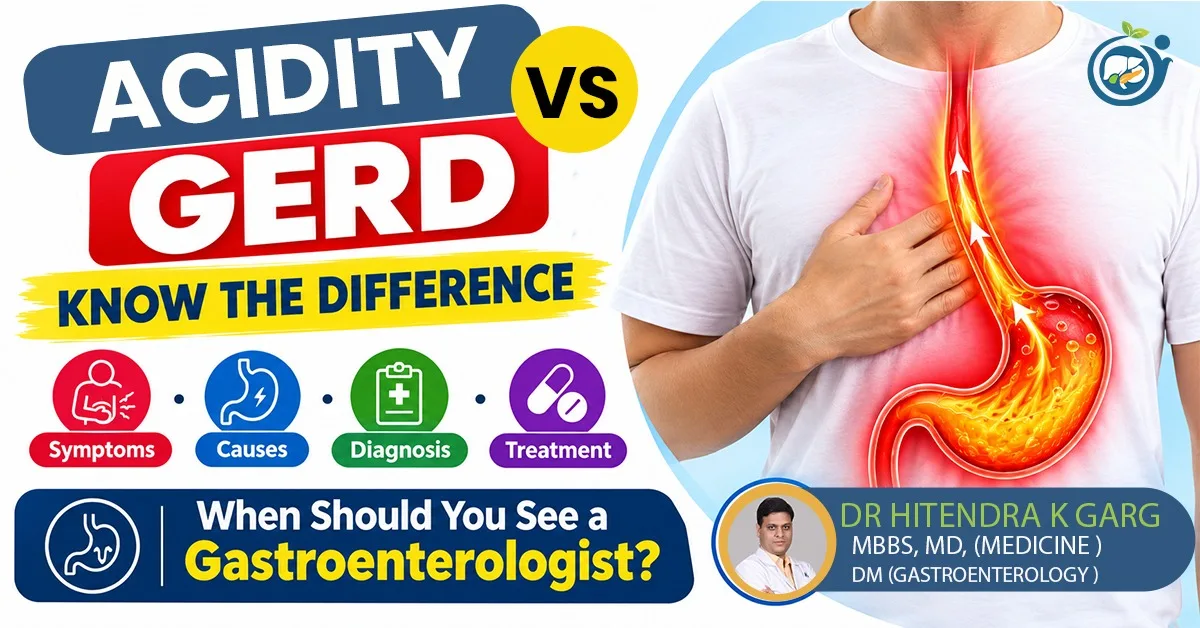
In short
When these symptoms happen occasionally, they may settle with simple lifestyle changes. But when heartburn or acid reflux keeps coming back, it may be a sign of Gastroesophageal Reflux Disease (GERD).
Acidity and acid reflux are common digestive complaints. Many people experience heartburn after a heavy meal, spicy food, coffee, or lying down soon after eating. When these symptoms happen occasionally, they may settle with simple lifestyle changes. But when heartburn or acid reflux keeps coming back, it may be a sign of Gastroesophageal Reflux Disease (GERD).
So, how do you know whether you are experiencing occasional acidity or something that needs medical attention?
In this guide, we explain the difference between acidity and GERD, common GERD symptoms, causes, risk factors, diagnosis, treatment options, foods that may trigger symptoms, and when you should see a gastroenterologist.
If you are experiencing recurring digestive symptoms and looking for a Gastroenterologist in Delhi, professional evaluation can help determine the cause and appropriate treatment.
What Is Acidity?
“Acidity†is a commonly used term for symptoms such as heartburn, sour taste, or discomfort related to acid reflux. These symptoms can occur after eating a large meal, spicy or fatty foods, drinking certain beverages, or lying down soon after eating.
Common symptoms may include:
- Burning sensation in the chest
- Sour or bitter taste in the mouth
- Burping
- Discomfort after meals
- Acid coming back into the mouth
Occasional symptoms may improve with changes in eating habits and lifestyle. However, frequent or persistent symptoms should not simply be ignored.
What Is GERD?
Gastroesophageal Reflux Disease (GERD) is a condition in which stomach contents repeatedly flow back into the esophagus. This repeated reflux can irritate the lining of the esophagus and cause ongoing symptoms.
Unlike occasional acid reflux, GERD may require proper medical evaluation and long-term management. Read the full guide to GERD symptoms, causes and treatment.
Common GERD symptoms include heartburn, acid regurgitation, difficulty swallowing, chronic cough, throat irritation, and symptoms that become worse at night.
GERD Symptoms You Should Know
Recognizing recurring GERD symptoms can help you understand when it may be time to seek medical advice.
1. Frequent Heartburn
Heartburn is a burning sensation in the chest that can occur when stomach contents move back into the esophagus.
2. Acid Regurgitation
You may notice a sour or bitter taste or feel stomach contents coming back into your mouth, particularly after meals.
3. Chest Discomfort
GERD can sometimes cause chest discomfort. However, chest pain should not automatically be assumed to be caused by acid reflux. New, severe, or unexplained chest pain requires prompt medical evaluation.
4. Difficulty Swallowing
Some people with persistent reflux may experience difficulty or discomfort while swallowing.
5. Chronic Cough
A persistent cough without an obvious respiratory cause can sometimes be associated with reflux.
6. Hoarseness or Throat Clearing
Repeated reflux may irritate the throat and contribute to hoarseness or frequent throat clearing.
7. Sore Throat
Some people experience throat irritation associated with reflux, particularly when symptoms occur at night.
8. Bad Taste or Breath
Acid regurgitation can leave an unpleasant taste in the mouth.
9. Feeling That Food Is Stuck
Difficulty swallowing or a sensation that food is getting stuck should be evaluated by a healthcare professional.
10. Nighttime Symptoms
Reflux symptoms may become more noticeable when lying down and can interfere with sleep.
If you regularly experience these symptoms, speaking with a gastroenterologist can help identify the underlying cause.
Acidity vs GERD: What's the Difference?
The terms acidity, acid reflux, and GERD are often used interchangeably, but they are not exactly the same.
| Occasional Acidity/Acid Reflux | GERD |
|---|---|
| May happen occasionally | Symptoms tend to recur |
| Can be associated with certain foods or habits | May involve repeated reflux |
| Symptoms may settle with lifestyle changes | May require medical evaluation and treatment |
| Usually temporary | Can become a persistent condition |
| May not cause complications | Long-standing GERD can lead to complications |
The key difference is frequency, persistence, severity, and the impact of reflux on the esophagus. Not everyone who experiences occasional heartburn has GERD.
What Causes GERD?
Several factors can contribute to GERD or make reflux symptoms worse.
Weak Lower Esophageal Sphincter
The lower esophageal sphincter helps prevent stomach contents from moving back into the esophagus. Problems with this mechanism can contribute to reflux.
Being Overweight
Extra abdominal pressure can increase the likelihood of reflux symptoms in some people.
Large Meals
Eating very large meals may increase stomach pressure and make reflux more likely.
Fatty Foods
High-fat meals may worsen reflux symptoms in some people.
Pregnancy
Hormonal changes and pressure on the stomach during pregnancy can contribute to reflux.
Smoking
Smoking can affect the function of the lower esophageal sphincter and may worsen reflux.
Alcohol
Alcohol may worsen reflux symptoms in some people.
Hiatal Hernia
A hiatal hernia occurs when part of the stomach moves through the opening in the diaphragm. It can be associated with GERD in some patients.
GERD Risk Factors
You may be more likely to experience GERD symptoms if you:
- Are overweight or obese
- Smoke
- Eat large meals
- Eat close to bedtime
- Frequently consume foods that trigger your symptoms
- Drink alcohol
- Have a sedentary lifestyle
- Have a hiatal hernia
- Have other factors that affect the lower esophageal sphincter
Triggers can vary from person to person, so keeping track of your own symptoms can be useful.
Can GERD Cause Complications?
Persistent GERD should be evaluated because repeated reflux can damage the esophagus in some people.
Possible complications include:
Esophagitis
Repeated exposure to stomach contents can cause inflammation of the esophagus.
Esophageal Ulcers
Severe inflammation can sometimes lead to ulcers in the esophageal lining.
Esophageal Stricture
Long-term inflammation and healing can cause narrowing of the esophagus, which may make swallowing difficult.
Barrett's Esophagus
Long-standing GERD can cause changes in the lining of the esophagus known as Barrett's esophagus. People with Barrett's esophagus may have an increased risk of esophageal cancer and may require medical monitoring.
These complications do not occur in everyone with GERD, but persistent symptoms should be discussed with a healthcare professional.
How Is GERD Diagnosed?
A doctor may diagnose GERD based on your symptoms and medical history. Depending on your symptoms, additional tests may be recommended.
Upper GI Endoscopy
An endoscope is used to examine the esophagus, stomach, and upper part of the small intestine. It can help identify inflammation, ulcers, or other abnormalities.
24-Hour pH Monitoring
This test measures acid exposure in the esophagus over a period of time and can help evaluate reflux.
Esophageal Manometry
Manometry evaluates the movement and muscle function of the esophagus.
Barium Swallow
A barium swallow may be used to assess the structure and movement of the upper digestive tract and identify certain abnormalities.
The appropriate test depends on your symptoms and clinical situation.
GERD Treatment Options
GERD treatment depends on the severity and frequency of symptoms and the individual's medical history.
Lifestyle Changes
Some lifestyle changes may help reduce reflux symptoms:
- Eat smaller meals
- Avoid lying down for 2–3 hours after eating
- Identify and limit foods that trigger your symptoms
- Maintain a healthy weight if you are overweight
- Avoid smoking
- Limit alcohol
- Reduce late-night eating
- Stay physically active
- Follow your doctor's recommendations
Medications
Depending on the situation, doctors may recommend medicines such as:
- Proton Pump Inhibitors (PPIs)
- H2 receptor blockers
- Antacids
- Other medicines when appropriate
Medicines should be taken according to medical advice, particularly when symptoms continue for a long time.
Advanced Treatment
For selected patients whose symptoms do not respond adequately to medication and lifestyle measures, a specialist may consider additional treatment options, including surgical or endoscopic procedures.
Your gastroenterologist can determine which approach is appropriate based on your symptoms and test results.
Foods to Avoid If You Have GERD
Food triggers are different for everyone, but some foods and drinks commonly worsen reflux symptoms in certain people.
These may include:
- Fried foods
- High-fat meals
- Chocolate
- Coffee
- Tea
- Carbonated beverages
- Spicy foods
- Citrus fruits
- Tomatoes
- Alcohol
- Peppermint
Instead of avoiding every food on this list automatically, pay attention to which foods actually trigger your symptoms.
Foods That May Be Easier to Include With GERD
A balanced diet can be part of managing reflux symptoms. Depending on individual tolerance, some people may find the following foods easier to include:
- Oatmeal
- Bananas
- Apples
- Brown rice
- Whole grains
- Cooked vegetables
- Lean chicken
- Fish
- Low-fat yogurt
- Ginger
- Green vegetables
Eating slowly, having moderate portions, and chewing food properly may also support comfortable digestion.
For more information about food choices, you can also read about easily digestible Indian food.
When Should You See a Gastroenterologist?
Occasional heartburn may not always require specialist care. However, medical evaluation is important when symptoms are frequent, persistent, severe, or affecting your daily life.
Speak with a doctor if you experience:
- Frequent heartburn
- Difficulty swallowing
- Food getting stuck while swallowing
- Unexplained weight loss
- Persistent vomiting
- Blood in vomit
- Black or tarry stools
- Persistent symptoms despite treatment
- Recurrent nighttime reflux
Chest pain should not automatically be attributed to GERD. If chest pain is severe, new, or associated with symptoms such as breathlessness, sweating, dizziness, or pain spreading to the arm or jaw, seek urgent medical care.
If recurring digestive symptoms are affecting your routine, a Gastroenterologist in Delhi can evaluate your symptoms and recommend appropriate testing or treatment.
Tips to Reduce GERD Symptoms
Simple habits may help reduce reflux for some people:
- Eat smaller portions
- Avoid overeating
- Avoid eating close to bedtime
- Stay active
- Maintain a healthy weight
- Limit alcohol
- Avoid smoking
- Identify your personal food triggers
- Follow your prescribed treatment
- Follow your doctor's advice if symptoms continue
Frequently Asked Questions
Is acidity the same as GERD?
No. Acidity or occasional heartburn can happen from time to time, while GERD is a condition involving recurrent reflux that may require medical evaluation.
What are the most common GERD symptoms?
Common symptoms include heartburn, acid regurgitation, chest discomfort, difficulty swallowing, cough, throat irritation, and nighttime reflux.
Can GERD be treated?
Yes. GERD can often be managed with lifestyle changes, medicines, and, in selected cases, procedures or surgery. Treatment depends on the individual.
What foods should I avoid with GERD?
Common triggers include fried or high-fat foods, spicy foods, coffee, alcohol, chocolate, and carbonated drinks. However, triggers vary between individuals.
When should I see a gastroenterologist for acidity?
If heartburn or reflux keeps returning, affects your sleep, causes difficulty swallowing, or continues despite lifestyle changes or treatment, it is a good idea to seek medical evaluation.
Final Thoughts
Occasional acidity or heartburn can happen to many people, but persistent GERD symptoms should not be ignored. Frequent heartburn, acid regurgitation, swallowing difficulties, chronic cough, and nighttime reflux may require further evaluation.
Understanding the difference between occasional acidity and GERD can help you recognize when professional medical advice may be appropriate.
If your symptoms keep coming back or are affecting your daily life, consult a gastroenterologist for an appropriate evaluation and treatment plan.
Take recurring digestive symptoms seriously and get the right advice rather than continuing to self-treat.

Medical disclaimer: This article is for general education and is not a substitute for a consultation. Please see a doctor for advice about your own symptoms. Read our editorial policy.