Easily Digestible Indian Foods: What to Eat for an Upset Stomach, Gastritis and Diarrhoea
When your stomach is upset, after a bout of gastritis or acidity, or while recovering from diarrhoea or vomiting, the right food can help you feel better sooner.
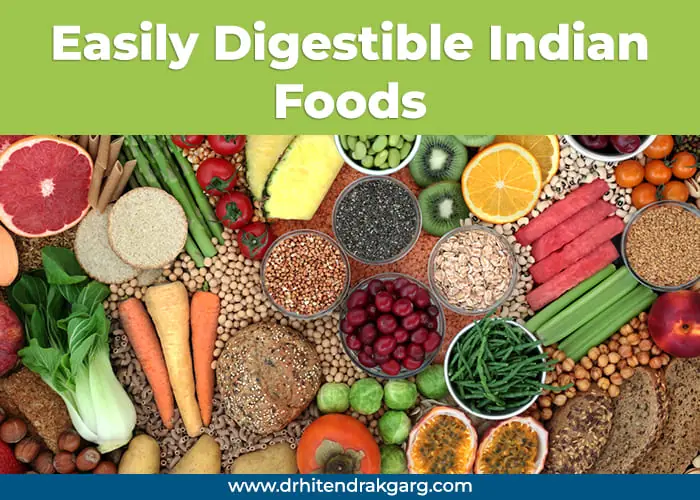
In short
Easy-to-digest Indian foods are soft, well cooked, low in fat and mildly spiced: khichdi, moong dal, curd rice, idli, poha, banana and boiled vegetables. During an upset stomach or loose motions, fluids matter more than food.
Key takeaways
- Easy-to-digest Indian foods are soft, well cooked, low in fat and mildly spiced: khichdi, moong dal, curd rice, idli, poha, banana and boiled vegetables.
- During an upset stomach or loose motions, fluids matter more than food. Use ORS, dal water, coconut water, buttermilk or nimbu pani with a pinch of salt.
- Avoid fried and very spicy food, rich gravies, alcohol, cold drinks and, for a while, milk if it worsens diarrhoea.
- Most people can go back to a normal diet as soon as they feel like eating. See a doctor for blood in stool, high fever, signs of dehydration or symptoms lasting more than a few days.
When your stomach is upset, after a bout of gastritis or acidity, or while recovering from diarrhoea or vomiting, the right food can help you feel better sooner. Indian home cooking has many naturally gentle dishes. This guide explains which foods are easiest to digest, why, what to avoid, and gives simple day plans for common situations.
What makes a food easy to digest?
- Low in fat: fat slows stomach emptying and can worsen nausea, reflux and loose motions.
- Soft and well cooked: cooking breaks down fibre and starch, so the gut does less work.
- Mild spice: chilli and heavy masala can irritate an inflamed stomach.
- Small portions: several small meals are easier than two large ones.
- Less gas-forming: rajma, chole, cabbage and cauliflower are healthy but can cause bloating while you recover.
12 easily digestible Indian foods
| Food | Why it is gentle |
|---|---|
| Khichdi (rice and moong dal) | Soft, well-cooked rice and split moong dal give carbohydrate and protein without much fat. Add a little ghee only if you tolerate it, and soft vegetables such as lauki or carrot once you feel better. |
| Moong dal and dal water | Yellow split moong is the lightest dal. Thin dal or dal water also gives fluid and salt, which helps after vomiting or loose motions. |
| Curd rice and plain curd (dahi) | Soft rice with curd is soothing. Many people tolerate curd better than milk because part of the lactose is already fermented. Skip it if dairy upsets you. |
| Idli and plain dosa | Steamed, fermented and low in fat. Have them with a thin sambar or coconut chutney rather than spicy chutneys. |
| Rice kanji, poha and upma | Rice water (kanji), soft poha or suji upma with little oil are easy starches when appetite is low. |
| Banana | Ripe banana is soft, gives energy and potassium, which is lost in diarrhoea and vomiting. |
| Boiled or mashed potato and soft vegetables | Boiled potato, lauki (bottle gourd), tinda, pumpkin and carrot, cooked soft with little oil and mild spices. |
| Buttermilk (chaas) and nimbu pani | Help with fluids. Keep them lightly salted and avoid adding much sugar. |
| Steamed snacks such as dhokla | Steamed rather than fried, so lighter than most namkeen. Eat in small portions. |
| Mild kadhi | Thin besan and curd kadhi without heavy tempering can be gentle for some people; skip it if besan gives you gas. |
| Papaya and stewed apple | Soft fruits that are usually well tolerated once you are eating again. |
| Plain toast, khakhra or rusk | Dry, bland starch that can settle nausea in small amounts. |
Foods to avoid while your stomach settles
- Fried food: samosa, pakora, puri, bhature, chips
- Very spicy curries, pickles and rich gravies made with cream or lots of oil
- Rajma, chole, whole urad and other heavy dals for the first few days
- Raw salads and sprouts until loose motions settle
- Cold drinks, packaged fruit juice and sweets (sugar can worsen diarrhoea)
- Alcohol, and strong tea or coffee on an empty stomach
- Milk and milkshakes if they make diarrhoea or bloating worse; some people have trouble digesting lactose for a few weeks after an infection
Sample day plans
For indigestion or a mild upset stomach
- Morning: warm water or jeera water; 2 idlis with thin sambar, or a small bowl of poha
- Mid-morning: 1 banana or papaya
- Lunch: moong dal khichdi with a spoon of curd
- Evening: buttermilk and 2 rusks or a khakhra
- Dinner (early): 1–2 soft rotis with lauki sabzi and thin dal
For gastritis or acidity
- Eat small meals every 3–4 hours and do not skip breakfast
- Choose idli, upma, khichdi, curd rice, boiled vegetables and soft rotis
- Avoid chilli, pickles, fried food, alcohol, smoking and lying down within 2–3 hours of dinner
- Limit tea and coffee, especially on an empty stomach
Read more about acidity and GERD and H. pylori infection, a common cause of gastritis.
After diarrhoea or vomiting
- First: replace fluids with ORS made exactly as the packet says, plus dal water, coconut water or rice kanji. Sip often.
- When hungry again: rice kanji, khichdi, banana, curd rice, idli, boiled potato and toast.
- Over the next 2–3 days: return to your normal diet as you feel better. A strict diet is not needed for long.
When to see a doctor
- Blood in the stool or black stools, or vomiting blood
- Signs of dehydration: very little urine, dizziness, dry mouth, extreme weakness
- High fever, severe abdominal pain, or vomiting that stops you keeping fluids down
- Diarrhoea for more than 2–3 days in adults, or any diarrhoea with dehydration in children or older people
- Indigestion or acidity that keeps coming back for more than 2–3 weeks, weight loss or difficulty swallowing
Frequently Asked Questions
Which Indian food is easiest to digest?
Moong dal khichdi is one of the easiest: soft rice and split moong dal with little fat and mild spices. Idli, curd rice, poha and ripe banana are also gentle.
What should I eat during loose motions?
Focus on fluids first, especially ORS. When you feel like eating, have rice kanji, khichdi, banana, curd rice, idli and boiled potato, and go back to normal food as you recover.
Is curd good for an upset stomach?
For many people, yes. Curd is usually better tolerated than milk. If dairy makes your symptoms worse, avoid it for a few days.
What should I avoid eating with gastritis?
Avoid chilli, pickles, fried and oily food, alcohol, smoking, and large late-night meals. Limit tea and coffee, especially on an empty stomach.
Conclusion:
Simple, soft, low-fat Indian dishes such as khichdi, moong dal, curd rice and idli are kind to an upset stomach. Keep up your fluids, avoid fried and spicy food for a few days, and return to normal eating as you recover. If symptoms are severe or do not settle, see a gastroenterologist.

References
- National Institute of Diabetes and Digestive and Kidney Diseases (NIDDK). Eating, Diet, & Nutrition for Diarrhea. Source
- World Health Organization and UNICEF. Clinical management of acute diarrhoea: WHO/UNICEF joint statement. 2004. Source
Medical disclaimer: This article is for general education and is not a substitute for a consultation. Please see a doctor for advice about your own symptoms. Read our editorial policy.