GERD Symptoms and Effective Treatment Strategies: Causes, Diet and When to Worry
GERD (gastroesophageal reflux disease) is when stomach acid flows back into the food pipe often enough to cause symptoms or damage, usually heartburn and sour regurgitation.
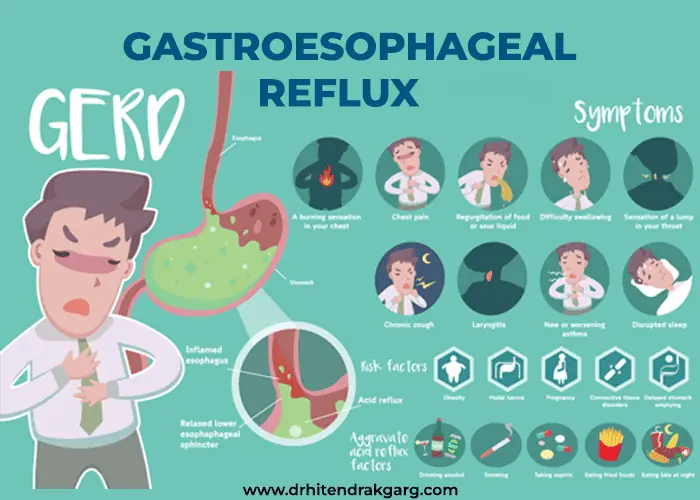
In short
Most people improve with smaller, earlier dinners, weight loss, raising the head of the bed and a course of acid-reducing medicine. See a gastroenterologist for difficulty swallowing, vomiting, black stools, weight loss, or symptoms that return when medicines stop.
Key takeaways
- GERD (gastroesophageal reflux disease) is when stomach acid flows back into the food pipe often enough to cause symptoms or damage, usually heartburn and sour regurgitation.
- Reflux can cause chest pain, but chest pain spreading to the arm, jaw or back, or with breathlessness or sweating, must be treated as a possible heart attack first.
- Most people improve with smaller, earlier dinners, weight loss, raising the head of the bed and a course of acid-reducing medicine.
- See a gastroenterologist for difficulty swallowing, vomiting, black stools, weight loss, or symptoms that return when medicines stop.
In this guide, we explain what GERD is, unravel its symptoms, explore available treatments, and shed light on effective strategies to manage this bothersome condition.
What is GERD?
GERD (gastroesophageal reflux disease) is a chronic digestive condition in which stomach acid repeatedly flows back into the food pipe (oesophagus). This backflow irritates the lining of the oesophagus and causes heartburn and regurgitation. Occasional reflux after a heavy or spicy meal is common; GERD is diagnosed when reflux is frequent, persistent or affects daily life. See also acidity vs GERD: the difference.
GERD Symptoms
GERD symptoms extend beyond occasional heartburn. Persistent acid reflux can lead to a range of discomforts, including a burning sensation in the chest (heartburn), regurgitation of acidic contents, difficulty swallowing, and even chest pain. Recognizing these signs is pivotal for early diagnosis and intervention.
- Burning sensation in the chest (heartburn), often after meals
- Sour or bitter taste, or acid coming up into the throat
- Chest discomfort that can feel like heart pain
- Difficulty or discomfort when swallowing
- Chronic cough, frequent throat clearing, hoarseness or a feeling of something stuck in the throat
- Symptoms that are worse at night or when lying down after a late dinner
Can acid reflux cause chest pain or arm pain?
Yes, reflux can cause a burning or squeezing pain behind the breastbone, sometimes spreading to the back or throat. However, heart pain can feel very similar. Chest pain that spreads to the left arm, jaw, neck or back, or comes with breathlessness, sweating, nausea, dizziness or pain on exertion, must be treated as a possible heart attack: call an ambulance or go to the nearest emergency department immediately. Doctors usually check the heart first before attributing chest pain to reflux. Arm pain on its own is not a typical reflux symptom.
Gastroesophageal Reflux Disease Symptoms Outside the Chest
Understanding the full spectrum of gastroesophageal reflux disease symptoms is essential for comprehensive management. Chronic cough, hoarseness, and dental erosions can be linked to GERD. These symptoms, along with the more common heartburn and regurgitation, should prompt individuals to seek medical advice for a proper diagnosis and tailored treatment plan.
Why does GERD happen?
GERD usually occurs when the lower oesophageal sphincter (LES), the valve-like muscle between the stomach and the food pipe, is weak or relaxes at the wrong time. Common contributors are:
- Large meals or eating late at night
- Excess body weight, especially around the waist
- Hiatal hernia
- Pregnancy
- Smoking and alcohol
- Fried, fatty or very spicy food in some people
- Some medicines, such as certain painkillers and blood pressure drugs
How is GERD diagnosed?
Most people with typical heartburn and regurgitation can be diagnosed from their symptoms and a trial of treatment. Tests are advised if there are warning signs, symptoms do not respond, or before surgery:
- Upper GI endoscopy to look for inflammation (oesophagitis), Barrett's oesophagus, ulcers or a hiatal hernia
- 24-hour pH or pH-impedance monitoring to measure reflux
- Oesophageal manometry to check how the food pipe muscles work
Acid Reflux Medicine
Various medications are available to alleviate the symptoms of GERD and promote healing of the esophagus. Acid reflux medicine includes antacids for quick relief, H2 blockers to reduce stomach acid production, and proton pump inhibitors (PPIs) for more long-term acid suppression. It's crucial to consult with a gastroenterologist to determine the most suitable medication based on individual needs and the severity of symptoms.
PPIs such as pantoprazole or omeprazole work best taken 30 to 60 minutes before breakfast. They are usually given for about 8 weeks and then reduced to the lowest dose that controls symptoms. Do not take them for months without a doctor's review.
GERD Treatment
Effective GERD treatment involves a combination of lifestyle modifications, dietary changes, and medications. Lifestyle adjustments may include weight management, avoiding trigger foods, elevating the head of the bed, and practicing mindful eating. Dietary changes may involve reducing the intake of acidic, spicy, or fatty foods. Medications, as mentioned earlier, play a crucial role in managing symptoms and preventing complications. If your symptoms are severe or keep coming back, consult a gastroenterologist for a proper diagnosis and treatment plan.
Lifestyle changes that help control GERD
- Eat smaller meals and finish dinner at least 2 to 3 hours before bedtime
- Do not lie down straight after eating
- Raise the head end of the bed by 6–8 inches (blocks under the bed legs or a wedge), especially if symptoms are worse at night
- Lose weight if you are overweight
- Stop smoking and limit alcohol
- Wear loose clothes around the waist
- Notice and avoid your own trigger foods
GERD diet: what to eat and what to avoid
Usually well tolerated: oats and whole grains, bananas and other non-citrus fruits, green vegetables, low-fat dairy, dal, eggs, fish and chicken cooked with little oil.
Common triggers: fried and very spicy food, citrus fruits, tomatoes and tomato gravies, chocolate, peppermint, fizzy drinks, coffee and strong tea. Triggers differ between people, so keep a short food diary.
Gastroesophageal Reflux Disease Treatments Beyond Medicines
Beyond medications, there are several other gastroesophageal reflux disease treatments that healthcare providers may recommend. In some cases, surgical interventions like fundoplication may be considered to strengthen the lower esophageal sphincter and prevent reflux. Lifestyle modifications, such as quitting smoking and moderating alcohol intake, can also contribute to overall symptom improvement.
What happens if GERD is ignored?
- Inflammation and ulcers of the food pipe (oesophagitis)
- Narrowing of the food pipe (stricture), causing food to stick
- Barrett's oesophagus, a change in the lining that slightly increases the risk of oesophageal cancer
When should you see a gastroenterologist?
- Heartburn more than twice a week, or symptoms that return when medicines stop
- Difficulty or pain when swallowing, or food sticking
- Vomiting, vomiting blood or black stools
- Weight loss without trying, or anaemia
- New symptoms after the age of 45, or a family history of stomach or oesophageal cancer
Frequently Asked Questions
In the journey of managing GERD, understanding the diverse symptoms and exploring effective treatment options are crucial steps. By incorporating medications, lifestyle changes, and other therapeutic interventions, individuals can take control of their GERD symptoms and pave the way for a more comfortable and healthier life.

References
- Katz PO, Dunbar KB, Schnoll-Sussman FH, Greer KB, Yadlapati R, Spechler SJ. ACG Clinical Guideline for the Diagnosis and Management of Gastroesophageal Reflux Disease. Am J Gastroenterol. 2022;117(1):27-56. Source
Medical disclaimer: This article is for general education and is not a substitute for a consultation. Please see a doctor for advice about your own symptoms. Read our editorial policy.