Fatty Liver: Causes, Symptoms, Grades, Diagnosis & How to Reverse It Naturally
Fatty liver disease is rapidly becoming one of the most common liver disorders in India, affecting people across all age groups.
In short
One of the biggest concerns is that fatty liver often develops silently, without clear symptoms in the early stages. However, the condition is largely reversible, especially when diagnosed early and managed with the right lifestyle changes and medical guidance.
Fatty liver disease is rapidly becoming one of the most common liver disorders in India, affecting people across all age groups. With increasing cases of obesity, diabetes, and sedentary lifestyles, the prevalence of fatty liver has grown significantly in recent years. Medically known as hepatic steatosis, fatty liver occurs when excess fat accumulates in liver cells. While a small amount of fat is normal, excessive fat can impair liver function and, over time, lead to serious complications such as inflammation, fibrosis, and cirrhosis.
One of the biggest concerns is that fatty liver often develops silently, without clear symptoms in the early stages. However, the condition is largely reversible, especially when diagnosed early and managed with the right lifestyle changes and medical guidance.
This detailed guide covers everything you need to know about fatty liver causes, symptoms, grades, diagnosis, and how to reverse fatty liver naturally
What is Fatty Liver Disease?
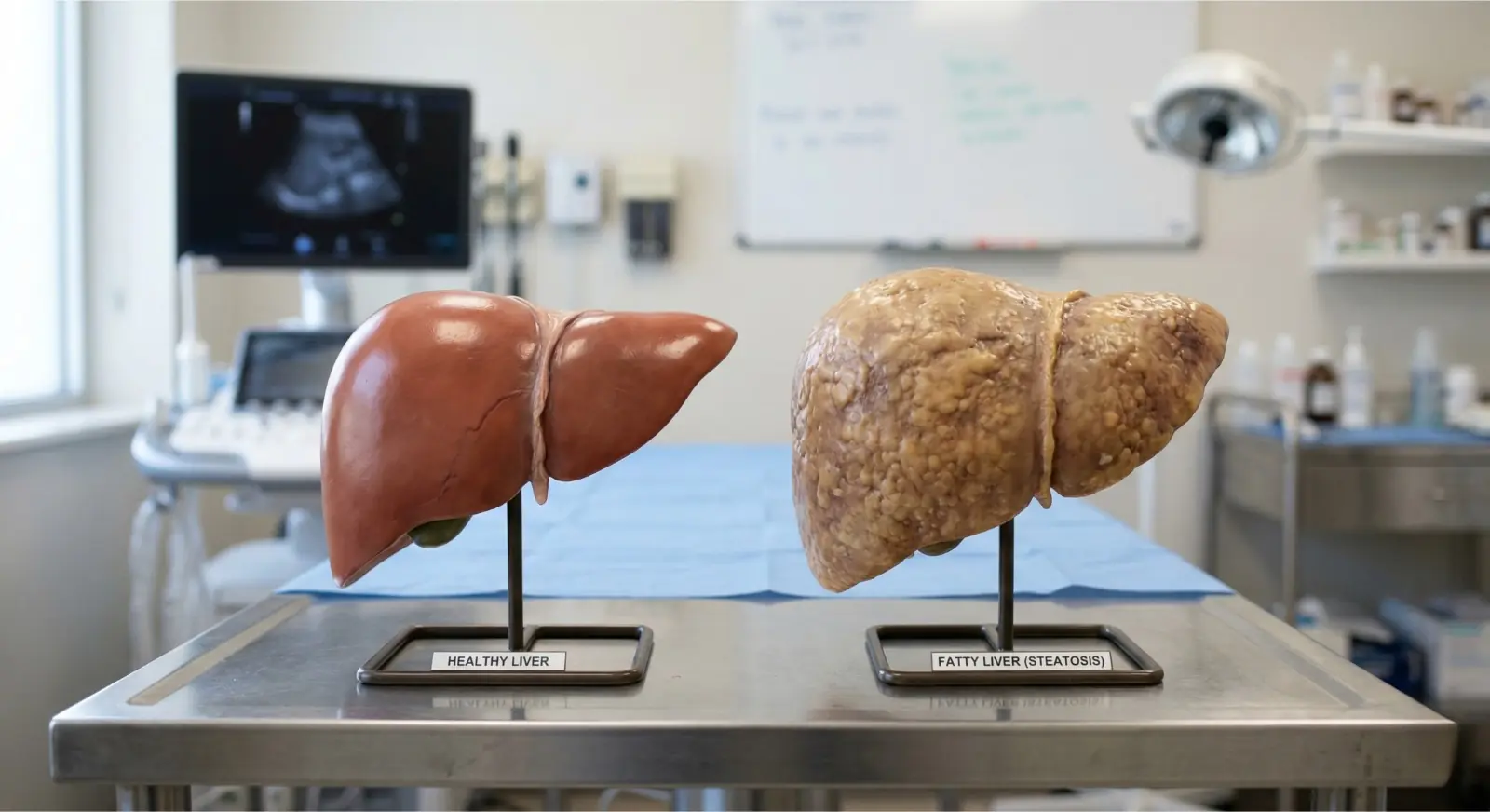
Fatty liver disease refers to excessive fat accumulation in the liver, typically when fat exceeds 5–10% of the liver’s weight. It is broadly classified into the following types:
Types of Fatty Liver
-
Non-Alcoholic Fatty Liver Disease (NAFLD)
Occurs in people who consume little or no alcohol and is strongly linked with obesity, diabetes, and metabolic syndrome. -
Alcoholic Fatty Liver Disease (AFLD)
Caused by excessive alcohol intake, leading to liver cell damage and fat buildup. -
Non-Alcoholic Steatohepatitis (NASH)
A more severe form of fatty liver involving inflammation and liver cell damage, which may progress to cirrhosis.
Why Fatty Liver is Increasing in India
The rise in fatty liver cases is closely linked to modern lifestyle patterns:
- Increased consumption of processed and high-sugar foods
- Sedentary lifestyle and lack of physical activity
- Rising cases of diabetes and obesity
- High intake of refined carbohydrates (maida, sugar)
Fatty liver is now considered a metabolic health warning sign, not just a liver condition.
Causes of Fatty Liver

Fatty liver develops due to multiple interconnected factors:
Major Causes
- Unhealthy diet: High intake of sugar, fried foods, and processed items
- Obesity: Especially excess belly fat
- Insulin resistance: Common in type 2 diabetes
- High cholesterol and triglycerides: Elevated levels can contribute to fat buildup in the liver
- Sedentary lifestyle: Lack of physical activity can lead to fat accumulation
- Alcohol consumption: Excessive intake can damage liver cells and promote fat storage
- Rapid weight loss or crash dieting: Can lead to fat being released from other parts of the body and deposited in the liver
These factors disrupt fat metabolism and lead to fat accumulation in the liver.
Symptoms of Fatty Liver
Fatty liver is often asymptomatic in its early stages, making regular check-ups important.
Early Symptoms
- Persistent fatigue
- Mild discomfort in the upper right abdomen
- Bloating and indigestion
- Difficulty losing weight
Advanced Symptoms
- Jaundice (yellowing of skin and eyes)
- Swelling in the legs or abdomen
- Weakness and confusion
If these symptoms appear, a medical evaluation becomes essential.
Grades of Fatty Liver (Grade 1, 2, 3 Explained)
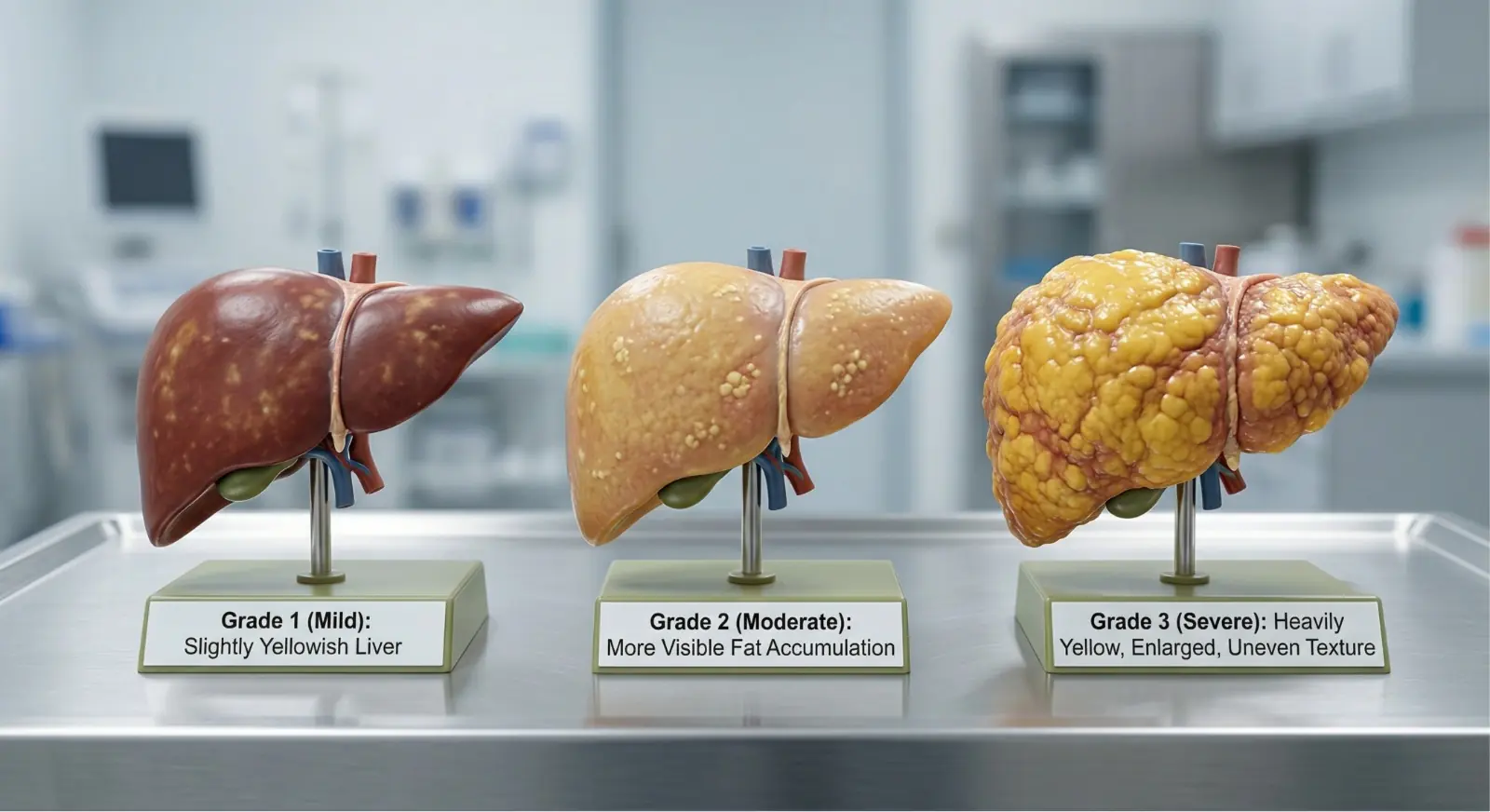
Fatty liver is classified based on severity:
- Grade 1 (Mild): Minimal fat accumulation, no major damage, completely reversible
- Grade 2 (Moderate): Moderate fat buildup may affect liver function
- Grade 3 (Severe): Significant fat accumulation, high risk of fibrosis and cirrhosis
Understanding the grade helps in planning proper treatment.
Is Fatty Liver Dangerous?
Fatty liver may seem harmless initially, but if ignored, it can lead to:
- Non-Alcoholic Steatohepatitis (NASH)
- Liver fibrosis (scarring)
- Liver cirrhosis
- Liver failure
Early diagnosis and treatment are crucial to prevent complications.
How is Fatty Liver Diagnosed?
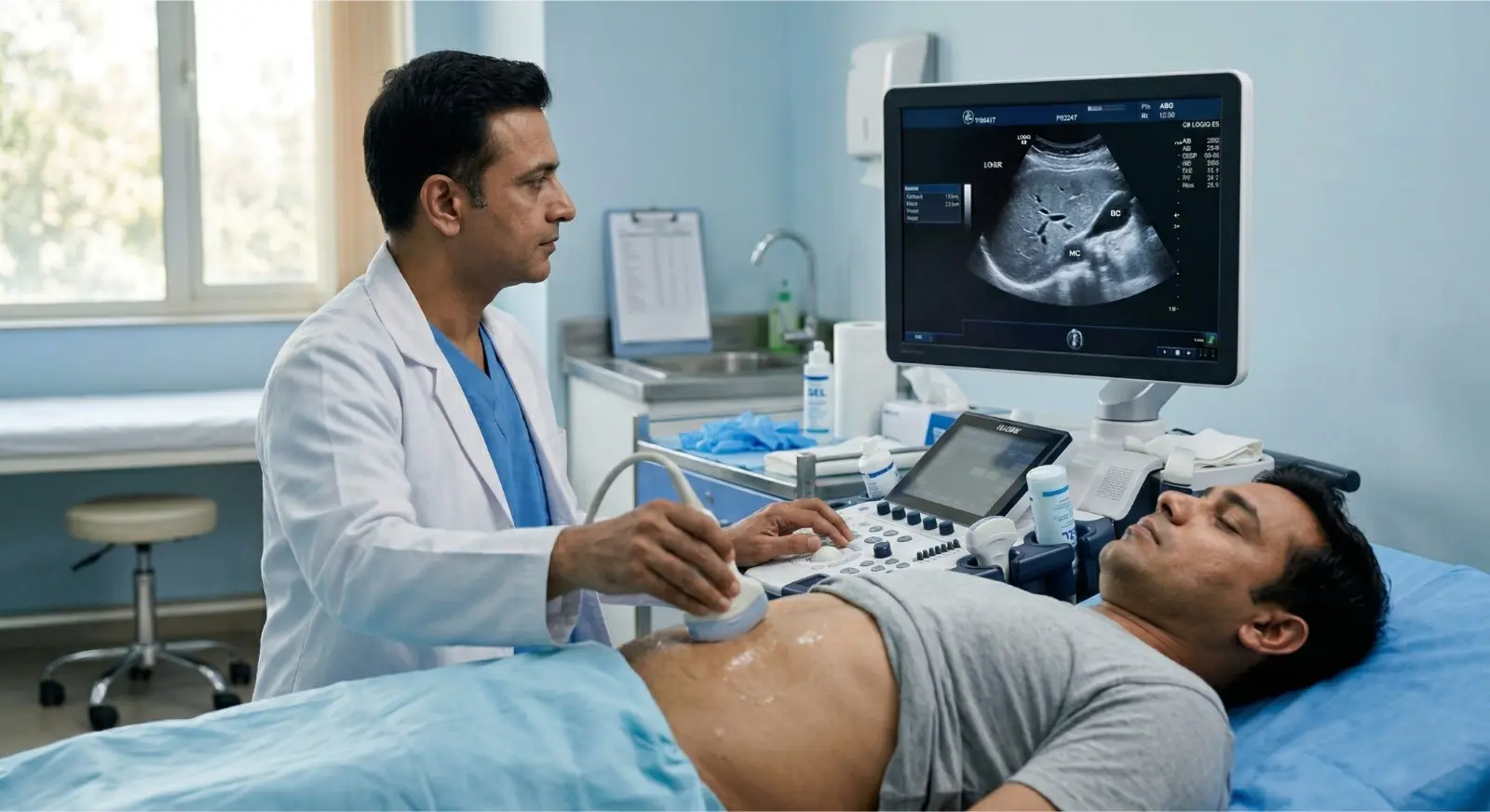
Diagnosis involves a combination of tests:
Common Diagnostic Methods
- Liver Function Tests (LFTs): Check liver enzyme levels
- Ultrasound: Detects fat in the liver
- FibroScan: Measures liver stiffness and fat content
- Advanced imaging (MRI/CT): Used in complex cases
Early diagnosis and treatment are crucial to prevent complications.
How to Reverse Fatty Liver Naturally
Reversing fatty liver requires a structured and consistent approach.
1. Follow a Fatty Liver Diet (Indian Diet Plan)

Diet plays the most important role in reducing liver fat.
Foods to Include
- Whole grains (brown rice, oats, multigrain roti)
- Leafy vegetables (spinach, methi, broccoli)
- Fruits (apple, papaya, berries)
- Lean proteins (dal, paneer, eggs, fish)
- Nuts and healthy fats
Foods to Avoid
- Sugary drinks and sweets
- Refined flour (maida)
- Fried and processed foods
- Excess red meat
2. Achieve Healthy Weight Loss
- Aim to lose 5–10% of body weight
- Avoid crash dieting
- Focus on sustainable changes
3. Exercise Regularly
- Brisk walking (30–45 minutes daily)
- Strength training (2–3 times per week)
- Yoga for flexibility and stress control
4. Control Blood Sugar and Cholesterol
- Managing diabetes and lipid levels is essential for fatty liver treatment.
5. Improve Gut Health
- A healthy gut supports liver function through the gut-liver connection.
6. Stay Hydrated
- Drink sufficient water daily to support metabolism and detoxification.
7. Avoid Alcohol Completely
- Even small amounts can worsen liver damage.
8. Manage Stress and Sleep
- Maintain 7–8 hours of sleep
- Practice meditation or relaxation techniques
Best Foods for Fatty Liver
- Green tea
- Garlic
- Coffee (in moderation)
- Omega-3-rich foods
- High-fibre foods
Foods to Avoid in Fatty Liver
- Soft drinks
- Packaged snacks
- Bakery items
- Deep-fried foods
Can Fatty Liver Be Reversed?
Yes, fatty liver can be reversed, especially in early stages.
Recovery Timeline
- Grade 1: 3–6 months
- Grade 2: 6–12 months
- Grade 3: Requires long-term management
Consistency is the key to recovery.
Prevention of Fatty Liver
- Maintain a healthy weight
- Eat a balanced diet
- Exercise regularly
- Avoid alcohol
- Regular health check-ups
When to Consult a Doctor
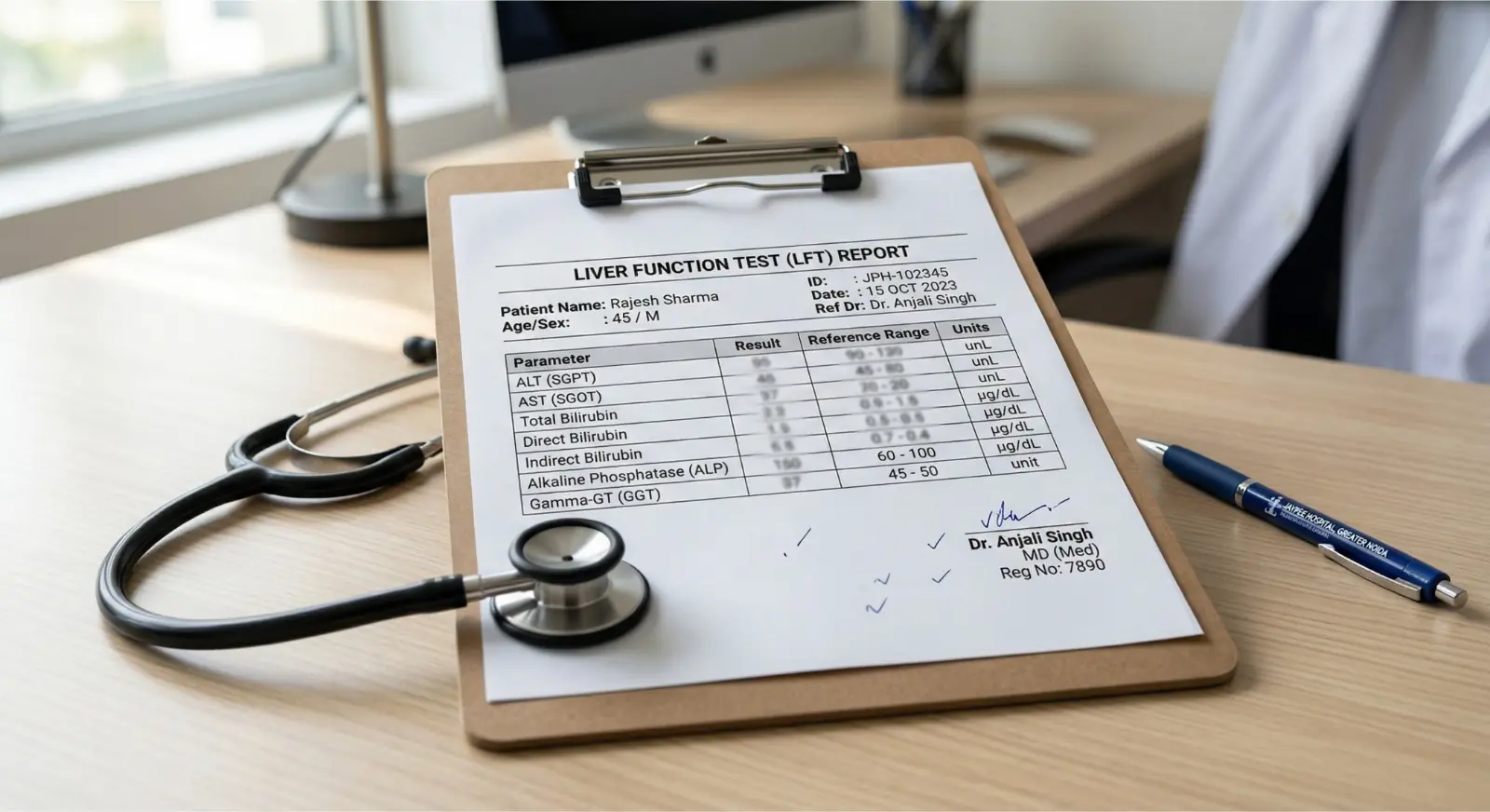
Seek medical advice if:
- Fatty liver is detected in reports
- Liver enzymes are elevated
- Persistent digestive issues are present
- You have diabetes or obesity
Expert Care for Fatty Liver Treatment
Fatty liver disease requires a personalised and medically supervised approach, particularly in moderate to advanced stages. While lifestyle changes are essential, expert evaluation ensures accurate diagnosis, proper grading, and prevention of complications.
Dr Hitendra K. Garg, a highly experienced gastroenterologist and hepatologist, specialises in the diagnosis and management of liver disorders, including fatty liver, liver fibrosis, and cirrhosis. With a patient-focused approach and advanced diagnostic support, he provides comprehensive and evidence-based care tailored to each patient.
Book a Consultation
If you have been diagnosed with fatty liver or are experiencing symptoms related to liver health, early consultation can make a significant difference.
Consult Dr Hitendra K. Garg for an accurate diagnosis and a personalised treatment plan.
Visit: https://drhitendrakgarg.com/
Conclusion
Fatty liver is a common but potentially serious condition that should not be ignored. Although it may not show symptoms in the early stages, its long-term effects can be severe if left untreated.
The encouraging fact is that fatty liver is largely reversible with the right approach. A balanced diet, regular physical activity, and expert medical guidance can help restore liver health and prevent complications.
Consistency, awareness, and timely intervention are the keys to long-term recovery.
Frequently Asked Questions
Grade 1: Mild fat accumulation
Grade 2: Moderate fat buildup
Grade 3: Severe fat accumulation with higher risk

Medical disclaimer: This article is for general education and is not a substitute for a consultation. Please see a doctor for advice about your own symptoms. Read our editorial policy.