In short
Endoscopic Ultrasound (EUS) is an advanced diagnostic procedure that combines endoscopy with high-resolution ultrasound imaging from inside the digestive tract. It provides detailed evaluation of the pancreas, bile ducts, gastrointestinal wall, lymph nodes, and nearby organs.
Overview
Endoscopic Ultrasound (EUS) is one of the most advanced and accurate diagnostic techniques in modern gastroenterology. It combines the advantages of endoscopy (direct visualization of the digestive tract) with high-frequency ultrasound imaging to obtain detailed pictures of the walls of the gastrointestinal tract and the surrounding organs such as the pancreas, bile ducts, liver, gallbladder, adrenal glands, and lymph nodes.
EUS offers clarity far superior to conventional imaging like CT or MRI, allowing doctors to evaluate deep-seated structures, detect small tumors, guide biopsies, and even perform therapeutic procedures — all with minimal invasiveness.
With the evolution of technology, EUS has become a cornerstone in diagnosing and managing a wide spectrum of digestive and hepatobiliary diseases, particularly those involving the pancreas and bile ducts.
How EUS Works
The EUS procedure uses a specially designed endoscope fitted with a miniature ultrasound probe at its tip. This probe emits high-frequency sound waves that produce highly detailed images of the internal organs and tissues surrounding the digestive tract.
Unlike traditional ultrasound done through the abdomen, EUS provides close proximity imaging from inside the body — giving unparalleled resolution and detail.
Because the ultrasound transducer is only a few millimeters away from the target organ, EUS can detect even small lesions or abnormalities that may not be visible on other imaging scans.
When and Why EUS Is Recommended
Doctors may recommend EUS for several diagnostic and therapeutic reasons, such as:
1. Pancreatic Diseases
- Evaluation of pancreatic masses, cysts, or inflammation (chronic pancreatitis).
- Early detection of pancreatic cancer or small tumors.
- Guidance for fine-needle aspiration (EUS-FNA) to collect tissue samples for biopsy.
2. Bile Duct and Gallbladder Disorders
- Identifying the cause of bile duct obstruction, jaundice, or unexplained dilatation seen on imaging.
- Detecting stones or sludge missed by ultrasound or MRCP.
3. Gastrointestinal Wall Evaluation
- Assessing submucosal lesions or growths in the esophagus, stomach, or rectum.
- Staging esophageal, gastric, rectal, and pancreatic cancers by determining tumor invasion depth and lymph node involvement.
4. Liver and Mediastinal Evaluation
- Evaluating liver lesions, nearby blood vessels, or adrenal glands.
- Sampling lymph nodes in the chest or abdomen for cancer staging.
5. Therapeutic Applications
- EUS-guided drainage of pancreatic cysts or abscesses.
- EUS-guided celiac plexus neurolysis for pain relief in pancreatic cancer.
- EUS-guided stent placement in cases of bile duct obstruction.
EUS thus serves as both a diagnostic and interventional platform, minimizing the need for open surgery.
Step-by-Step Procedure of EUS
Endoscopic Ultrasound (EUS) is performed in a systematic manner to ensure both accurate diagnosis and patient safety:
1. Preparation
- Patients are advised to fast for 6–8 hours before the procedure.
- Medications are adjusted as needed under the doctor’s supervision.
2. Sedation
- The procedure is performed under light sedation or general anesthesia to ensure comfort and relaxation.
3. Endoscope Insertion
- A thin, flexible EUS endoscope is passed through the mouth (for upper GI) or rectum (for lower GI) into the digestive tract.
4. Ultrasound Imaging
- The ultrasound transducer at the tip generates high-resolution images of the internal structures.
- The doctor can evaluate organs and, if required, guide a fine needle through the endoscope to collect tissue samples (EUS-FNA).
5. Completion
- Once the examination is done, the scope is withdrawn.
- The procedure typically takes 30–60 minutes.
6. Recovery
- Patients rest for a short period and can usually go home the same day.
Advantages of EUS
- Exceptional Image Clarity: Provides highly detailed visualization of internal structures.
- Early Detection: Identifies small lesions or tumors missed by CT or MRI.
- Combined Diagnosis and Biopsy: Allows direct tissue sampling (EUS-FNA) during the same session.
- Minimally Invasive: Performed through natural openings, no external cuts.
- Accurate Cancer Staging: Determines tumor depth and lymph node involvement precisely.
- Guided Therapeutic Options: Enables cyst drainage, stent placement, and nerve block procedures.
EUS has become an indispensable tool in managing pancreatic, biliary, and gastrointestinal diseases effectively and safely.
What to Expect After EUS
- Patients may experience mild throat discomfort or bloating, which subsides quickly.
- If a biopsy was taken, results are typically available within a few days, and the doctor will discuss the findings.
- The doctor explains any further steps required, such as medication, follow-up imaging, or additional endoscopic therapy.
- Patients can usually resume normal activities and diet within 24 hours unless advised otherwise.
In Summary
Endoscopic Ultrasound (EUS) is a cutting-edge diagnostic and therapeutic tool that has transformed the way gastrointestinal and hepatobiliary diseases are managed. It provides unparalleled precision in evaluating deep structures of the digestive system — combining the best of imaging and intervention in one minimally invasive procedure. EUS ensures early, accurate, and safe diagnosis, helping patients receive the right treatment at the right time.
Doctor’s Message / Call to Action
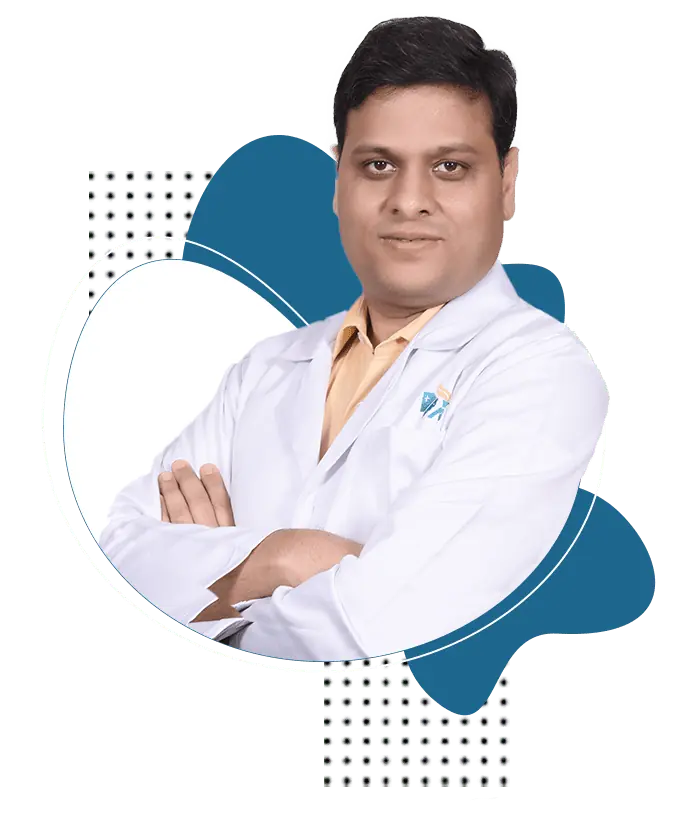
If you’ve been advised an EUS, don’t worry — it’s a simple and safe way to understand what’s going on inside your body. Book your appointment with Dr. Hitendra K Garg, an experienced gastroenterologist in Delhi, to get a clear diagnosis and the right guidance for your health. Modern, precise, and gentle — everything your care should be.
If you have noticed digestive changes, or it is time for a routine check, book a consultation with Dr. Hitendra K Garg at Indraprastha Apollo Hospitals, Sarita Vihar, New Delhi. Acting early is usually simpler than waiting.
Your consultant
Frequently asked questions about endoscopic ultrasound (eus)
How is EUS different from standard ultrasound?
EUS is performed from inside the body, placing the ultrasound probe close to the target organ, resulting in much clearer and more accurate images.
Is EUS painful?
No. The procedure is performed under sedation or anesthesia, ensuring complete comfort.
Can biopsy be taken during EUS?
Yes. EUS-FNA allows the doctor to take fine-needle tissue samples safely under ultrasound guidance.
How long does EUS take?
Usually 30–60 minutes, depending on whether additional sampling or therapeutic interventions are done.
Is EUS only for the pancreas?
No. It’s used for the entire gastrointestinal tract, bile ducts, liver, adrenal glands, and lymph nodes.
Can EUS detect cancer early?
Yes. Its high-resolution imaging helps detect very small tumors and early changes that other imaging techniques may miss.
When can I eat or drink after EUS?
Most patients can start liquids after 1–2 hours and resume normal food later the same day.
Book a consultation for Endoscopic Ultrasound (EUS)
Dr. Hitendra K Garg sees patients at Indraprastha Apollo Hospitals, Sarita Vihar, New Delhi. At the first visit he reviews your reports, explains whether the procedure is needed, how to prepare, and what to expect on the day and afterwards. The hospital team can give an estimate of the cost once the plan is clear.
Bring previous reports, scans and a list of your medicines, especially blood thinners and diabetes medicines.
- OPD hours Monday, Tuesday, Wednesday, Thursday, Friday, Saturday, 12 PM to 4 PM
- Where Indraprastha Apollo Hospitals, NH-19, Sarita Vihar, New Delhi 110076
- What to bring Previous reports and scans, and a list of your medicines, especially blood thinners and diabetes medicines.
Request received
Thank you. Our team will call you back during OPD hours to confirm your appointment with Dr. Hitendra K Garg.
For a faster reply, message us on WhatsApp or call the clinic.